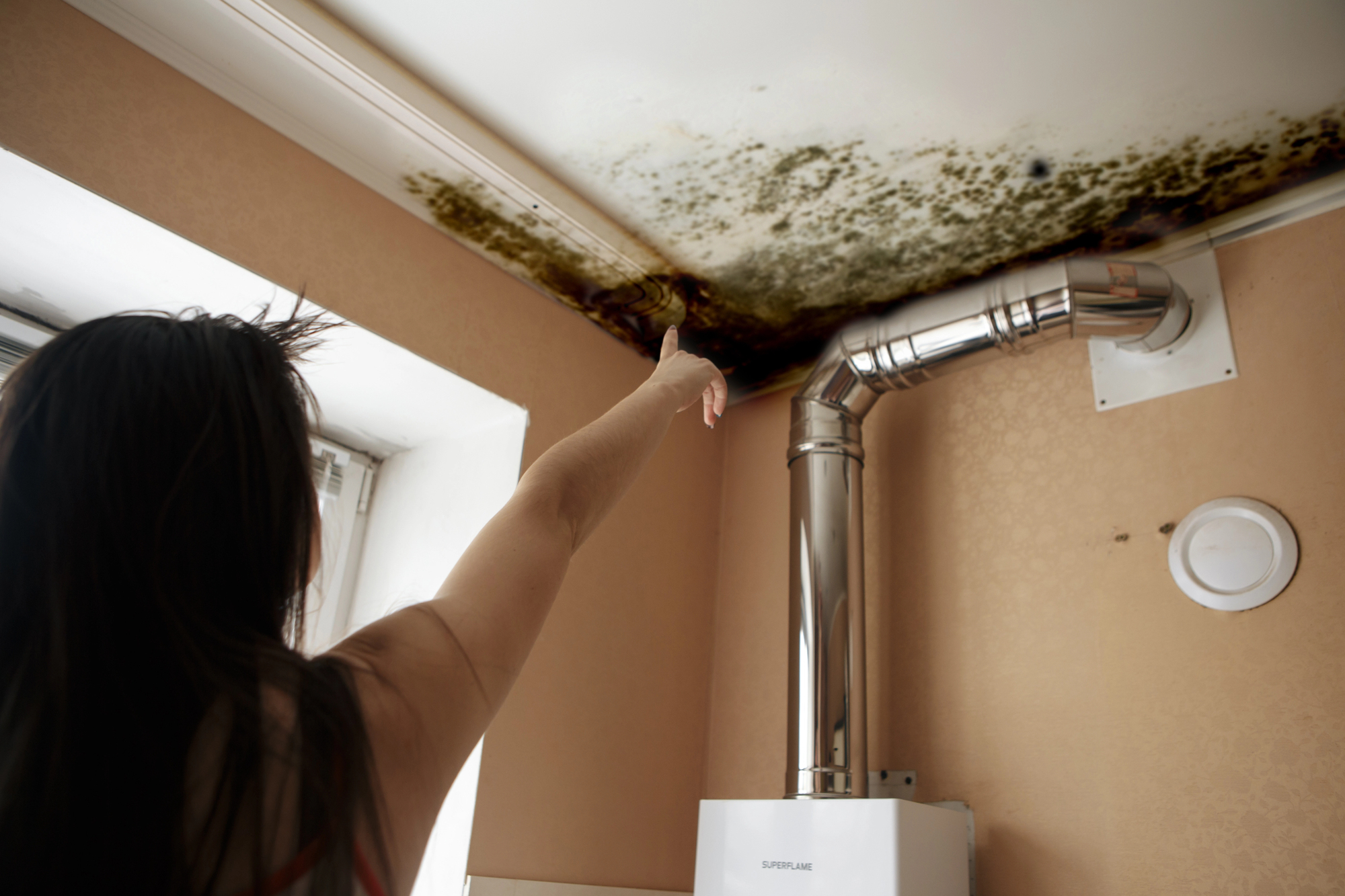
Awaab’s Law in Scotland: Damp, mould and landlord responsibilities
Awaab’s Law has brought increased focus to damp and mould in residential properties and the responsibilities of landlords to address them properly. In Scotland, landlords are already required to maintain safe, habitable homes, and expectations around investigation, repair and accountability continue to strengthen.
What is Awaab’s Law?
Awaab’s Law was introduced following the death of Awaab Ishak, which was linked to prolonged exposure to mould in social housing.
It forms part of wider housing reform and places a clear emphasis on how damp and mould issues are handled within residential properties.
The principles behind Awaab’s Law focus on ensuring that reports of damp and mould are taken seriously, investigated properly, and resolved within an appropriate timeframe.
This reflects a broader expectation that hazards affecting tenant health are identified and addressed without delay.
In practice, this means:
- issues should not be ignored or dismissed
- investigations should identify the underlying cause
- remedial work should be appropriate and effective
- problems should be resolved in a timely and accountable way
What happens if damp or mould issues are not addressed?
Failure to address damp or mould issues can lead to escalation, including formal complaints, involvement of local authorities or referral to housing tribunals.

1. Investigate properly
Damp and mould can result from a range of issues, including condensation, leaks, water ingress and building defects. Accurate diagnosis is essential before any work begins.

2. Address the root cause
Removing visible mould without resolving the underlying issue is unlikely to provide a lasting solution. Repairs should target the actual source of the problem.

3. Act proportionately and aim for lasting results
The response should reflect the seriousness of the issue, including the extent of damage, the likely cause and any risk posed to occupants. Effective remediation should not only resolve the immediate problem but also reduce the risk of it returning through suitable repairs and preventative measures.
Comprehensive property preservation services for Landlords and Agents
Addressing damp and mould issues correctly requires accurate diagnosis and appropriate remedial work. Our services support landlords and agents in identifying and resolving problems effectively.

Dry Rot
Both Dry Rot and Wet Rot can cause structural defects in buildings, it is unsightly, destructive and unhealthy.

Wet Rot
Wet Rot is a fungal decay that thrives in damp wood and humidity, causing structural weakness

Penetrating Dampness
Penetrating Dampness is a common problem in homes causing a range of issues – from mould to structural damage.

Rising Dampness
Rising Dampness can be caused by a variety of factors, including inadequate drainage and poor ventilation.

Basement Water Management
Basement Water Management involves controlling water levels to prevent damage associated with moisture.

Wood-boring Infestation
Wood-boring Infestation can cause a great deal of damage to wooden structures, including walls, floors and ceilings.

Flood Restoration
Flood Restoration involves the removal of saturated materials and debris, drying, cleaning and repairing damaged structures.
Landlord responsibilities in Scotland
Damp and mould are not simply cosmetic issues. Where present, they may indicate that a property does not meet the required standard and must be investigated and resolved.
Landlords are expected to take a proactive and effective approach when issues are reported, ensuring that problems are properly identified and addressed.
1. Respond without delay
Reports of damp or mould should be taken seriously and acted on promptly. Delayed responses can allow issues to worsen and increase risk to occupants.
2. Investigate the cause
It is essential to identify the underlying cause of damp or mould. This may include condensation, water ingress, leaks or structural defects.
3. Carry out appropriate repairs
Repairs should address the root cause of the issue, not just the visible symptoms. Temporary or superficial treatments are unlikely to provide a lasting solution.
4. Prevent recurrence
Once resolved, steps should be taken to prevent the issue from returning. This may include improvements to ventilation, insulation or building fabric.
A clear process for dealing with damp and mould as a landlord or agent

1 – Report and initial response
When damp or mould is reported, it should be acknowledged promptly and treated as a matter requiring investigation. Early response helps prevent the issue from worsening and reduces risk to occupants.

2 – Inspection and diagnosis
A proper inspection should be carried out to identify the underlying cause. This may involve assessing ventilation, identifying sources of moisture, or checking for defects in the building fabric.

3 – Remedial work and follow-up
Appropriate remedial work should be carried out to address the root cause of the issue. Once completed, the situation should be reviewed to ensure the problem has been resolved and does not return.
Frequently Asked Questions
Damp, mould and condensation in Scottish rentals: landlord checklist for 2026
Damp, mould and condensation are still some of the most common (and most disputed) issues in Scottish rented homes, especially in winter, in older stock, and in many a tenement flat where ventilation and heat loss can be challenging. In 2026, expectations on how quickly a landlord responds to reports of damp and mould are tightening further, with new Awaab’s Law regulations for Scotland being brought forward to set clearer time limits on investigations and repairs.