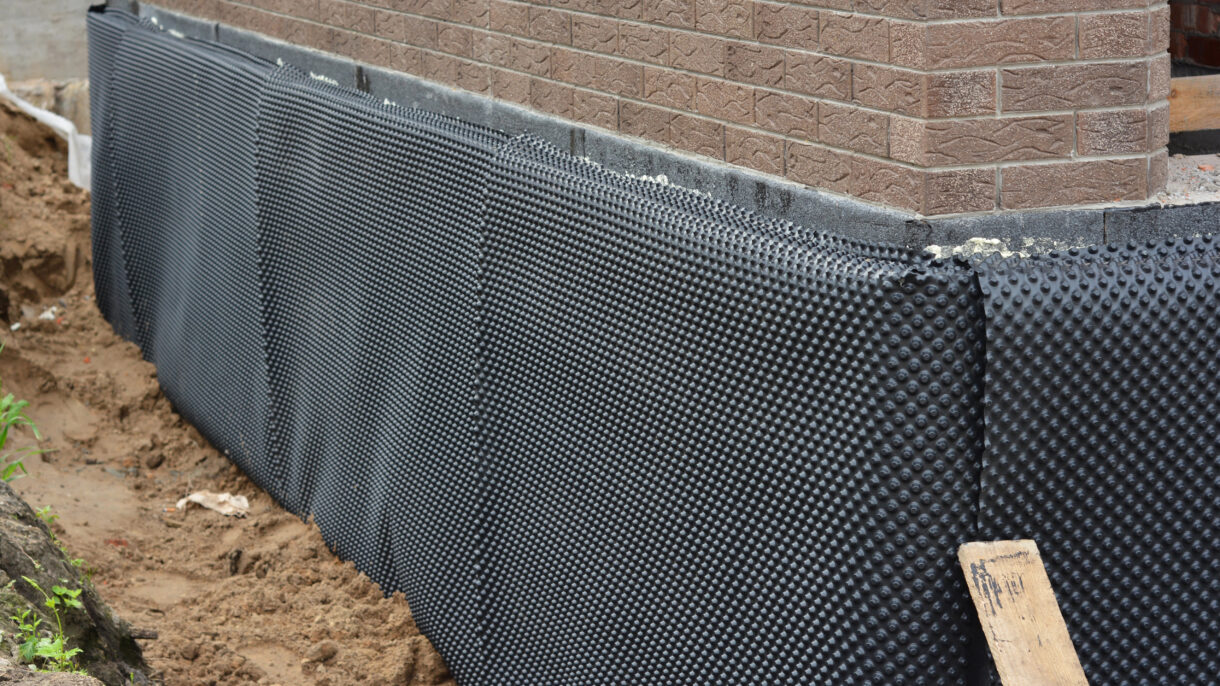
Damp proofing is essential process in maintaining the structural integrity and comfort of your home. Whether you are dealing with rising damp, penetrating damp, or condensation-related issues, understanding damp proofing methods and their costs can help you make informed decisions. This guide provides an in-depth look at the types of damp, signs to look out for, and the various damp proofing options available in the UK.
Table of Contents
Understanding damp in your home
Damp in your home can cause serious problems, from structural damage to health issues. Recognising the symptoms of damp early can help prevent those costly repairs we all come to dread.
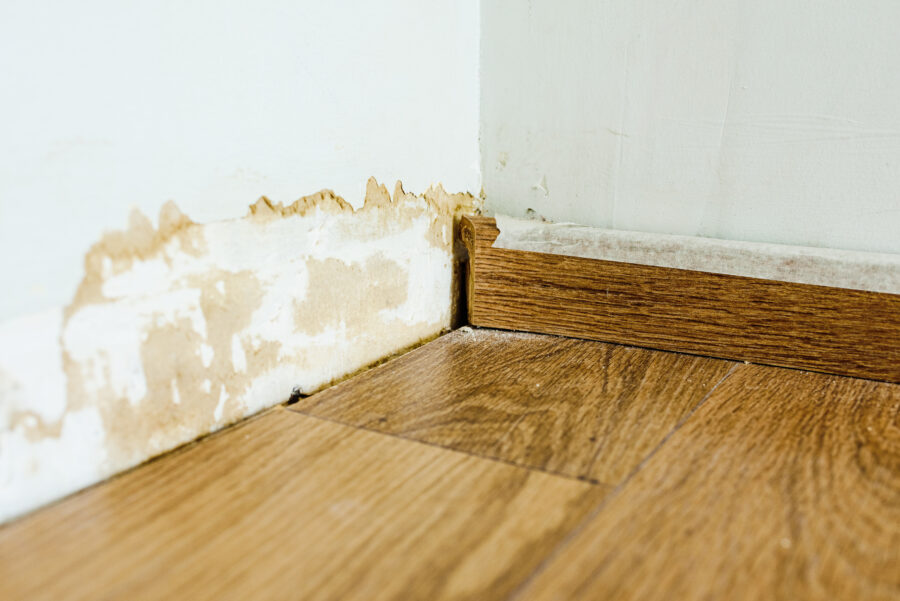
Damp occurs when excess moisture builds up in a property and does not properly escape. This can result in visible damage, such as peeling wallpaper or crumbling plaster, and eventually lead to weakened structural components. The presence of damp can also encourage the growth of mould and mildew, which not only look unsightly but can also contribute to respiratory problems and other health issues. Long-term exposure to damp conditions can worsen existing conditions such as asthma and allergies, making it a serious concern for families and vulnerable individuals.
Apart from health risks, damp can significantly devalue a property. Potential buyers are often put off by signs of damp, as it can indicate deeper structural issues that may require costly repairs. A home that suffers from damp can also become less energy-efficient, as wet walls lose heat more quickly, leading to higher heating costs.
It is important to identify the source of damp as soon as possible. Whether it stems from rising damp, penetrating damp, or condensation, addressing the issue early can save homeowners from extensive and expensive repairs. In many cases, damp is caused by poor ventilation, leaking pipes, faulty roofing, or problems with external drainage. Identifying and fixing these issues promptly can prevent damp from worsening and protect your home in the long run.
What are the different types of damp?
There are a few different types of damp that can affect a property:
- Rising Damp
Caused by moisture moving up through walls due to capillary action. It often results in tide marks on walls and requires a damp proof course to resolve. - Penetrating Damp
Occurs when water infiltrates through walls due to external factors such as leaks, damaged masonry, or faulty roofing. It is common in older properties with poor weatherproofing. - Condensation
The most common type of damp, caused by excessive moisture in the air condensing on cold surfaces. It is often seen in bathrooms and kitchens where humidity levels are high. - Lateral Damp
Similar to penetrating damp, but it occurs when moisture moves sideways through walls, typically from high external ground levels. It is particularly common in basements or properties with inadequate drainage. - Interstitial Condensation
This occurs inside building materials, such as within walls or insulation. It happens when warm, moist air penetrates a structure and then cools, condensing within the material itself. This hidden damp can weaken the structure over time and promote mould growth. - Leaks
Caused by internal leaks from pipes, faulty plumbing, or poor construction methods that allow water ingress. If left unchecked, these issues can lead to extensive damp problems throughout a property.
The signs of damp in your home
Knowing the symptoms of damp can help homeowners take action before major damage occurs.
- Damp patches on walls
- Peeling wallpaper or paint
- Mould and mildew growth
- A musty smell
- Tide marks or staining on walls
If you notice any of these signs, consider conducting a damp survey to identify the severity of the damp issue.
What are the damp proofing options available?
Below are the most common damp proofing methods available depending on the severity of the problem.
Installing a new Damp Proof Course (DPC)
A damp proof course is a barrier that prevents moisture from rising through walls. It can be installed in various ways:
- Chemical Injection DPC: A chemical damp proofing treatment injected into walls.
- Physical Damp Proofing: A layer of impermeable material inserted into walls during construction.
Damp proof membrane
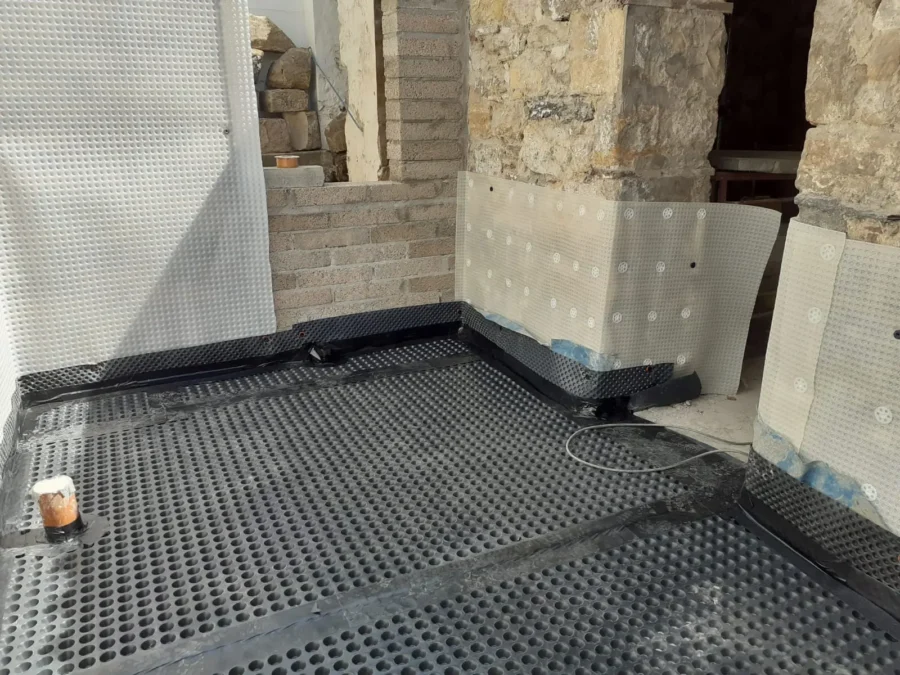
A damp proof membrane is a sheet of waterproof material applied to floors or walls to block moisture. It is often made of high-density polyethylene (HDPE) or bitumen-based materials. Damp proof membranes are particularly effective in cases where ground moisture is a major issue, as they create a physical barrier that prevents damp from penetrating interior spaces. They are commonly used alongside other damp proofing treatments to provide comprehensive moisture protection. This method is widely used in basements and cellars where water ingress is more likely.
Damp proofing injection
This method involves injecting a damp proofing solution into the walls to prevent water ingress. The injection fluid forms a barrier that repels moisture, effectively preventing rising damp from progressing. The solution can be a silicone-based cream or liquid that spreads through the wall, filling up the capillaries and preventing further moisture from travelling upward. Damp proofing injection is a cost-effective alternative to physical damp proofing and is commonly used in properties where installing a new damp proof course is impractical. However, it is important to assess the severity of the damp before choosing this option, as it may not be effective in extreme cases.
How much will damp proofing cost me?
The damp proofing cost depends on the extent of the problem and the type of treatment used and can vary widely. As a rough guide below are the average costs for different types of damp proofing.
Damp proof course cost
- Chemical Injection DPC: £300 – £1,500+
- Physical DPC Installation: £1,000 – £2,500+
Damp treatment costs
- Damp proof membrane: £500 – £3,000+
- Damp proofing walls: £500 – £2,000+
- Condensation control: £200 – £1,000+
Factors affecting the damp proof course cost include the size of your home, severity of the damp, and accessibility of the affected area.
Is damp proofing covered by home insurance?
Rising damp is not covered by most home insurance policies unless it results from an insured event like flooding. Check your policy to see if damp proofing work qualifies for coverage.
Prevention is best – How to prevent damp in your home
Prevention is better than cure when it comes to damp and mould. Ideally you should undertake surveys on any property you are looking to purchase to understand whether a new damp proof course or treatment is required before it becomes a problem. It’s important to understand the environment around your property too, if areas are prone to flooding, or it is becoming an increasing problem, it may be wise to preempt the problem and install a damp proof course.
Here are some ways to prevent common damp issues found in properties:
- Ensure good ventilation in kitchens and bathrooms.
- Use a dehumidifier to reduce moisture levels.
- Repair leaks promptly.
- Install a damp proof membrane where necessary.
Consider looking at our condensation leaflet, which has practical tips to reduce moisture in the home.
Hiring a damp proofing specialist
If you’re worried about damp, it’s advisable to find a damp proof expert, who can provide thorough and insightful information unique for your property. When hiring a damp proofing contractor, ensure they:
- Are accredited by the Property Care Association (PCA).
- Provide a guarantee for their work.
- Offer a comprehensive damp survey before recommending treatment.
Final thoughts
Understanding the different types of damp and their causes is crucial to maintaining a healthy and structurally sound home. Whether it’s rising damp, penetrating damp, condensation, lateral damp, interstitial condensation, or damp caused by plumbing leaks, recognising the symptoms early can help prevent costly repairs. By choosing the appropriate damp proofing methods and taking proactive measures, homeowners can safeguard their property from the long-term effects of damp.
If you suspect a damp issue, consult a damp proofer to assess the problem and recommend the best damp proof treatment for your home.

